
Training hard and diligently often comes with a price.
Whether you’re an athlete looking to set new PRs, an aspiring martial artist, or simply an annual 5K runner, pain is part of the game.
Not all pain is equal, though. There’s a massive difference between the normal pain of soreness after intense workouts and the pain that begins to chip away at performance.
You want pain to serve your athletic goals and not become a hindrance. Mastering the art of recovery will allow pain to serve you and not become your enemy.
That’s why more athletes are turning to a recovery method that’s been used for thousands of years—and is now backed by modern sports medicine conversations:
Pain management with acupuncture.
Let’s break down why.
Why Pain Management Matters for Athletes
Pain isn’t just uncomfortable—it’s information.
For athletes, pain can mean:
tissue irritation or inflammation
muscular tension and overuse
restricted range of motion
nervous system overload (stress + training fatigue)
compensations that can lead to injury
The real issue is that pain can create a chain reaction:
pain → altered movement → compensation → more pain → injury risk
That’s why proper recovery is not optional. It’s part of performance.
And pain management with acupuncture can be a breakthrough because it doesn’t just “mask” symptoms—it often supports the body’s ability to regulate pain and recover.
What Is Acupuncture (and Why Athletes Use It)?
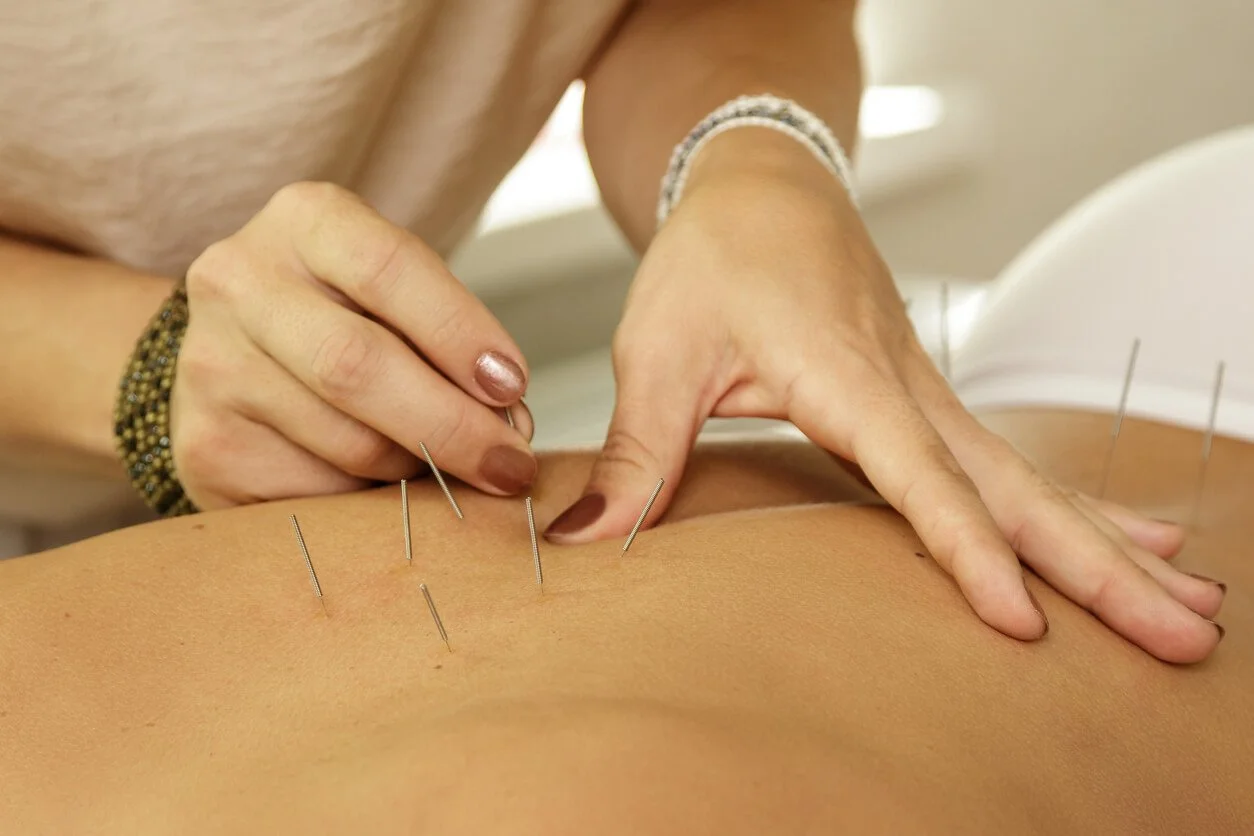
Acupuncture is a technique where ultra-thin needles are inserted into specific points on the body. Traditionally, it comes from Traditional Chinese Medicine (TCM), but today it’s widely used in modern sports recovery settings.
Athletes often use acupuncture for:
muscle tightness and trigger points
tendon irritation (like patellar tendon pain or tennis elbow)
low back pain
neck and shoulder tension
hip pain or mobility restriction
chronic soreness that doesn’t resolve with rest
It’s especially popular because it can support recovery while permitting athletes to keep training—rather than being forced into long layoffs.
How Pain Management with Acupuncture Works
Acupuncture has been shown to support pain relief in ways highly relevant to athletes.
1) It Helps Calm the Nervous System
Difficult training triggers the sympathetic nervous system (” fight-or-flight” mode). If you’re doing a lot of training without enough recovery, your nervous system will be on high alert, increasing pain sensitivity.
Acupuncture may help shift the body into a parasympathetic (“rest and digest”) state, which supports:
muscle relaxation
better sleep
improved recovery response
reduced stress-related tension
For athletes, this can mean less “wired but tired” burnout and faster bounce-back between sessions.
2) It Improves Local Circulation
Acupuncture can increase blood flow to certain areas, supporting the delivery of:
oxygen
nutrients
recovery signaling molecules
This is a big reason athletes use it for stubborn tightness or nagging overuse pain.
3) It Helps Reduce Pain Signaling
Many athletes describe acupuncture as turning down the volume of pain.
That’s because acupuncture can influence the way the body processes pain, including pathways involved in endorphins and other neurochemical responses.
The result? You may feel:
less sharp pain
less chronic ache
improved movement confidence
And movement confidence matters—because when you trust your body again, you move better.
Best Athlete Use Cases for Acupuncture
Not all pain is the same. But acupuncture tends to shine in a few categories:
Overuse Pain
If you train frequently, your body accumulates stress. Acupuncture can be useful for repetitive strain issues like:
shin splints
runner’s knee
shoulder impingement symptoms
elbow pain from lifting or grappling
Post-Training Recovery
Even when there’s no “injury,” acupuncture can support recovery when you’re
hitting a plateau in training
preparing for competition
dealing with high soreness and poor sleep
Mobility Limitations
Acupuncture may reduce muscle tension and stiffness; both of which inhibit mobility with:
hips
shoulders
thoracic spine
ankles
What Athletes Should Expect in a Session
If you’ve never tried it, here’s what the process frequently looks like:
assessment of pain, movement patterns, and training history
placement of needles (often painless or mild sensation)
resting period (10–30 minutes)
post-session guidance: hydration, movement, recovery steps
Many athletes feel relaxed afterward, and some notice improvement within 1–3 sessions—especially when acupuncture is paired with smart training modifications and mobility work.
Acupuncture vs. “Just Stretching More”
Stretching is great—but it’s not always the answer.
If pain is coming from:
inflammation
nervous system tension
poor tissue recovery
chronic trigger points
…stretching alone may not fix it.
Pain management with acupuncture can complement stretching via addressing the deeper recovery systems that influence tightness and pain sensitivity.
How JADA Studios Supports Athlete Recovery
At JADA Studios, our mission is to help athletes reach their full potential through science-backed recovery and holistic performance strategies.
Acupuncture fits perfectly into that mission because it supports:
pain reduction
faster recovery
improved training consistency
better mobility and body awareness
If you’re training hard and dealing with pain that keeps returning, acupuncture may be the missing recovery tool in your routine.
Final Thoughts: Train Hard, Recover Smarter
Athletes don’t need to accept pain as the price of progress.
The goal isn’t to avoid discomfort entirely—it’s to stay functional, resilient, and consistent.
And for many athletes, pain management with acupuncture is a powerful way to reduce pain, improve recovery, and keep the body performing at a high level without constantly being stuck in “damage control mode.”
If you’re ready to recover smarter, JADA Studios is here to help.