
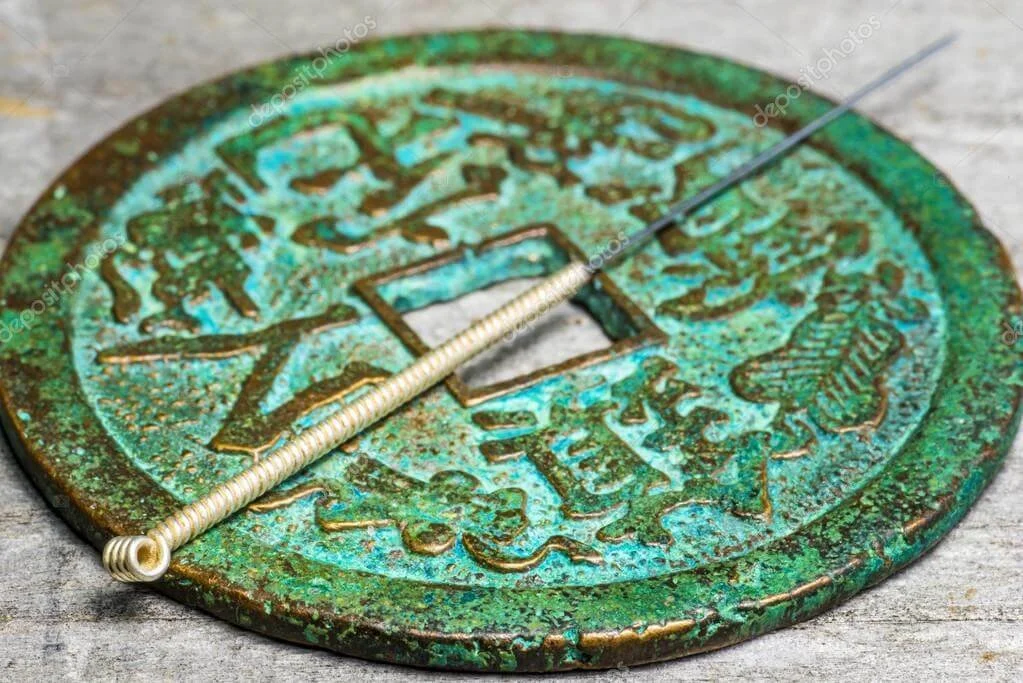
If you've ever wondered what ancient Chinese acupuncture actually involves, you're not alone. Acupuncture has been used in some form for at least 2,500 years and originated in traditional Chinese medicine (TCM). Today, it is practiced around the world and is especially popular for managing certain types of pain.
For athletes and active individuals, acupuncture can be an interesting addition to a broader approach to recovery and wellness.
You don't have to be an elite athlete to explore it. Whether you're a weekend runner, martial artist, weightlifter, cyclist, recreational athlete, or someone who simply deals with occasional aches and tension, acupuncture may be worth learning about.
What Is Ancient Chinese Acupuncture?
Traditional Chinese acupuncture involves inserting very thin needles into specific points on the body. Within traditional Chinese medicine, acupuncture is traditionally understood through concepts such as the flow of qi and the balance of the body's systems.
Modern scientific research, meanwhile, is investigating acupuncture through mechanisms involving the nervous system, connective tissue, and other physiological processes. The exact mechanisms aren't completely understood, and research suggests that both specific and nonspecific effects can contribute to the experience of acupuncture.
You don't necessarily need to choose between appreciating acupuncture's traditional history and being interested in modern research. They are simply different ways of understanding a practice that has been around for thousands of years.
Why Do Athletes Try Acupuncture?
Training places demands on your body.
A challenging workout can leave you with muscle soreness. Repetitive movements can contribute to areas of tension. And when you're consistently training for a sport, your body may occasionally feel like it needs a little extra attention.
Acupuncture is most commonly used in the United States for pain, including back, joint, and neck pain. Research has found that acupuncture may be helpful for several types of pain, although results vary depending on the condition and the individual.
Research specifically involving athletes is still developing. A systematic review of case reports showed that acupuncture has been used for a variety of sports-related injuries and may have potential for short-term pain relief and managing dysfunction. However, the authors emphasized that stronger experimental research is needed.
Acupuncture isn’t and should never be treated as a silver bullet for physical recovery, but rather as part of a broader recovery plan that includes modern medicine as needed. Acupuncture is always meant to complement, rather than replace, the incredible benefits of modern medicine provided by qualified health professionals.
What Does an Acupuncture Session Feel Like?
This is probably one of the biggest questions beginners have.
“Is it going to hurt?”
Acupuncture needles are extremely thin compared with the needles people commonly associate with injections or blood draws. Most people do not experience the same sensation as receiving a shot.
You may feel a brief prick when a needle is inserted. Depending on the point and technique, you might also notice sensations such as heaviness, warmth, tingling, or a dull ache.
After the needles are placed, you'll generally spend some time relaxing while they remain in position.
For someone who spends most of the day moving, training, working, or staying busy, that quiet time can actually become part of the appeal.
What Should You Expect During Your First Visit?
Your first acupuncture appointment will generally begin with a conversation.
Your practitioner may ask about your goals, activity level, areas of discomfort, health history, and other relevant factors. For an athlete, it can be helpful to explain what activities you participate in and how frequently you train.
For example, a runner might mention increased mileage and tightness around the legs. A weightlifter might discuss discomfort following certain lifts. A martial artist may have different areas of concern because of repetitive kicking, punching, grappling, or mobility work.
Your practitioner can then develop an approach based on your individual situation.
At JADA Studios, our acupuncture treatments are designed with people—not generic symptoms—in mind. We work with athletes and active individuals while also welcoming people who aren't involved in organized sports. The goal is to provide a personalized experience that fits into your overall wellness and recovery routine.
Does Acupuncture Only Help With Pain?
Pain management is one of the areas where acupuncture has received substantial research attention.
However, people may pursue acupuncture for other reasons as well, including relaxation and general wellness. Research into acupuncture for various conditions continues, and the strength of evidence differs considerably depending on what is being treated.
This is why it's helpful to be cautious about broad claims that acupuncture can “fix everything.”
At JADA Studios, we believe it's better to have a realistic conversation about what acupuncture may—and may not—be able to do for you.
Is Acupuncture Safe?
When performed properly by a qualified practitioner using sterile, one-time-use needles, acupuncture is generally considered safe, and serious complications are uncommon.
Minor effects such as temporary soreness, bruising, or slight bleeding can occur.
Proper technique matters, however. Improperly performed acupuncture can lead to serious complications, including infection or injury. That's why choosing a properly trained and credentialed practitioner is an important part of the process.
You should also tell your practitioner about relevant health conditions, medications, pregnancy, or other circumstances that could affect whether acupuncture is appropriate for you.
And if you're experiencing a significant injury or unexplained pain, acupuncture shouldn't be used as a reason to postpone appropriate medical evaluation.
Do You Have to Be an Athlete?
Absolutely not.
Although athletes can have specific reasons for incorporating acupuncture into their wellness routines, you don't need to run marathons or compete in tournaments to try it.
You might spend most of your week sitting at a desk. You might work a physically demanding job. You might exercise a few times a week casually. Or maybe you're simply curious about traditional Chinese medicine.
Acupuncture can be explored by people with very different lifestyles and goals.
Acupuncture at JADA Studios
At JADA Studios, acupuncture is part of our broader approach to supporting the health and wellness of our community.
We especially enjoy working with athletes because we understand that training isn't just about what happens during the workout. Recovery, mobility, stress management, and taking care of your body between sessions can all be important parts of maintaining an active lifestyle.
At the same time, you don't need to consider yourself an athlete to benefit from an individualized acupuncture experience.
If you've never tried acupuncture before, there's no need to walk into your first appointment knowing anything about acupuncture points, traditional Chinese medicine, or what the needles are supposed to feel like.
That's what the appointment is for.
Ready to Learn More?
Ancient Chinese acupuncture has a remarkably long history, but that doesn't mean you need to approach it with an all-or-nothing mindset.
The most important thing is to approach it with realistic expectations, choose a qualified practitioner, and view acupuncture as a potential complement—not a replacement—for appropriate medical care.
If you're curious about acupuncture and want to see whether it fits your goals, JADA Studios can help you take that first step.