
If you’re anything like us, you’re familiar with the feeling that comes the day after an intense workout or competition. It’s a bittersweet feeling that can be a reminder not just of yesterday’s feat, but yesterday’s beating to the body.
Recovery is more than simply resting after an intense day. Sleep, nutrition, hydration, appropriate training volume, and active recovery all play important roles. In contrast, a person can get tons of rest and yet their body still hasn’t recovered adequately. That’s where sports recovery massage can help - by supercharging the body’s “rest”.
At JADA Studios, we offer a collaboration with sports recovery massage for people who want to take a more intentional approach to caring for their bodies after training and physical activity. And while massage isn't a magic fix or a substitute for good training habits, research suggests that massage might be worth adding to one’s athletic arsenal.
What Is Sports Recovery Massage?
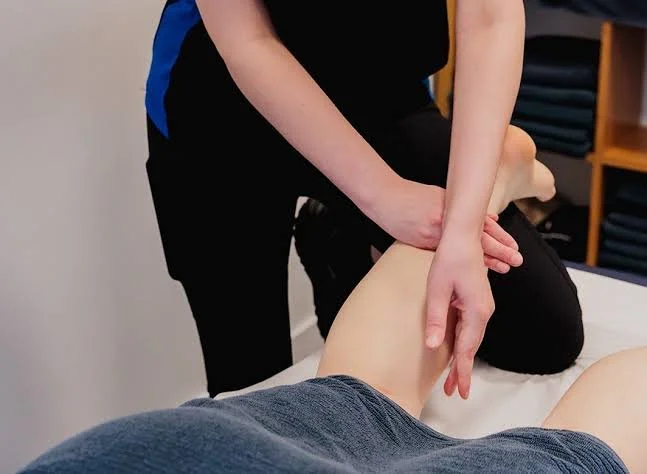
Sports recovery massage is a form of massage designed with physically active people in mind.
Rather than treating every massage session exactly the same, the approach can be tailored around your activity, training demands, and areas of muscular tension. Depending on the person, a session may focus on muscles that have been working particularly hard or areas that feel tight and fatigued after exercise.
That can make sports massage relevant to a wide range of people—not just professional athletes.
You might be a recreational runner training for your first race, someone who strength trains several times a week, a cyclist putting in long miles, a martial artist, or simply someone who works out consistently and wants to feel better between sessions.
Can Massage Actually Help With Exercise Recovery?
While research has shown that sports recovery may have some great benefits for athletes, the research is limited, and massage may not benefit every aspect of recovery - at least not much. This is where it helps to separate the evidence from the marketing.
Massage may help with the psychological aspect of recovery. Trying to recover while dealing with life's stresses can obviously make the process more difficult. The serotonin release triggered by massage may support the recovery process by enhancing a person’s brain chemistry.
In other words, massage shouldn't be viewed as a shortcut to becoming a better athlete.
Instead, one potential benefit is that it helps you feel better as your body recovers from training.
That's an important distinction.
What Is DOMS?
Delayed-Onset Muscle Soreness is the achiness and tenderness that can develop after unfamiliar or particularly demanding exercise.
You may notice it most often 12 to 48 hours after a workout, especially after doing something your body isn't accustomed to—such as increasing your running mileage, trying a new strength-training routine, or returning to exercise after time away.
A systematic review in Frontiers in Physiology examined 11 studies involving 504 participants and found that massage was associated with reduced muscle soreness following strenuous exercise at several time points, including 24, 48, and 72 hours.
That doesn't mean massage eliminates soreness completely. It does suggest that massage may be a useful way to manage some of the discomfort that comes with challenging physical activity.
Recovery Isn't Just About Your Muscles
There's another reason massage can fit nicely into an athlete's recovery routine: recovery isn't entirely physical.
A 2023 systematic review examining massage and sports performance found that while massage generally doesn't appear to directly improve athletic performance, research has reported benefits involving pain, perceived fatigue, relaxation, mood, and perceived recovery.
Think about that in practical terms.
If you're constantly training, working, traveling, and keeping up with everyday responsibilities, your body may not be the only thing that feels worn down. Having dedicated time to slow down and focus on recovery can be valuable in its own right.
Sometimes recovery means doing less—not doing more.
Why Flexibility Matters
Mobility and flexibility can be important for athletes because different sports place different demands on the body.
Research in a 2020 systematic review mentioned earlier found that massage may somewhat improve flexibility after a session.
Massage shouldn't replace mobility work, stretching, strength training, or proper technique. But it may complement those habits by helping you feel less restricted or uncomfortable in areas that tend to become tight after repetitive activity.
For someone who trains regularly, that can make massage a useful piece of a larger recovery strategy.
When Might Sports Recovery Massage Make Sense?
There's no single perfect schedule for everyone.
Some people may enjoy massage after particularly demanding training sessions. Others may prefer scheduling it on a recovery day or incorporating it periodically during a busy training block.
You might consider sports recovery massage if:
You regularly participate in strenuous exercise.
Certain muscle groups frequently feel tight after training.
You experience significant post-workout soreness.
You're increasing your training volume or trying a new activity.
You want to make recovery a more intentional part of your routine.
You simply enjoy massage and find that it helps you feel relaxed and refreshed.
The goal isn't to convince yourself that you need a massage every time you exercise. Instead, think of it as one more tool you can use when it makes sense for your body and your training.
Sports Recovery Massage at JADA Studios
At JADA Studios, we partner with massage therapists who focus on active individuals.
Their goal isn't to promise that one massage will transform your performance or magically erase every ache. Instead, we see massage as part of a bigger picture: priming one’s mindset and nervous system for recovering effectively.
That might mean working with an athlete after a demanding training session, helping address areas that feel particularly tense, or simply giving someone dedicated time to slow down and focus on recovery.
And you don't have to be a professional athlete to benefit from an athlete-focused approach.
If you train consistently, your body is doing a lot of work. Giving it some attention between workouts can be just as intentional as planning your next training session.
Want to give sports recovery massage a shot? Try out a session at one of JADA Studios’ collaborators to experience the healing benefits of a massage based on traditional Chinese bodywork modalities.